I Studied the Apps People Can't Quit. They All Do the Same Thing.
Think about the apps you've deleted. Very few of them were bad.
Most of them worked fine. You opened them a few times, they did roughly what they promised, and then one day you were clearing space on your phone and couldn't remember why they were there. Deleting them took a second and cost you nothing.
Now think about the apps you'd never delete. They aren't necessarily better made. Some are clumsy. A few actively annoy you. But deleting them would cost you something, and it's worth asking what that something is.
I think the answer is that something of yours is in them.
That sounds sentimental, but I mean it fairly literally. The apps people keep are the ones they've put things into: answers, time, days, friends, files. And once you start looking at retention that way, a lot of tactics that seem unrelated turn out to be the same tactic.
1. Why Spotify is harder to leave than it should be
It starts earlier than you'd expect. Before Duolingo teaches you a single word, it asks why you're learning, how much time you have each day, and what you actually want out of it. Then it builds the course around your answers.
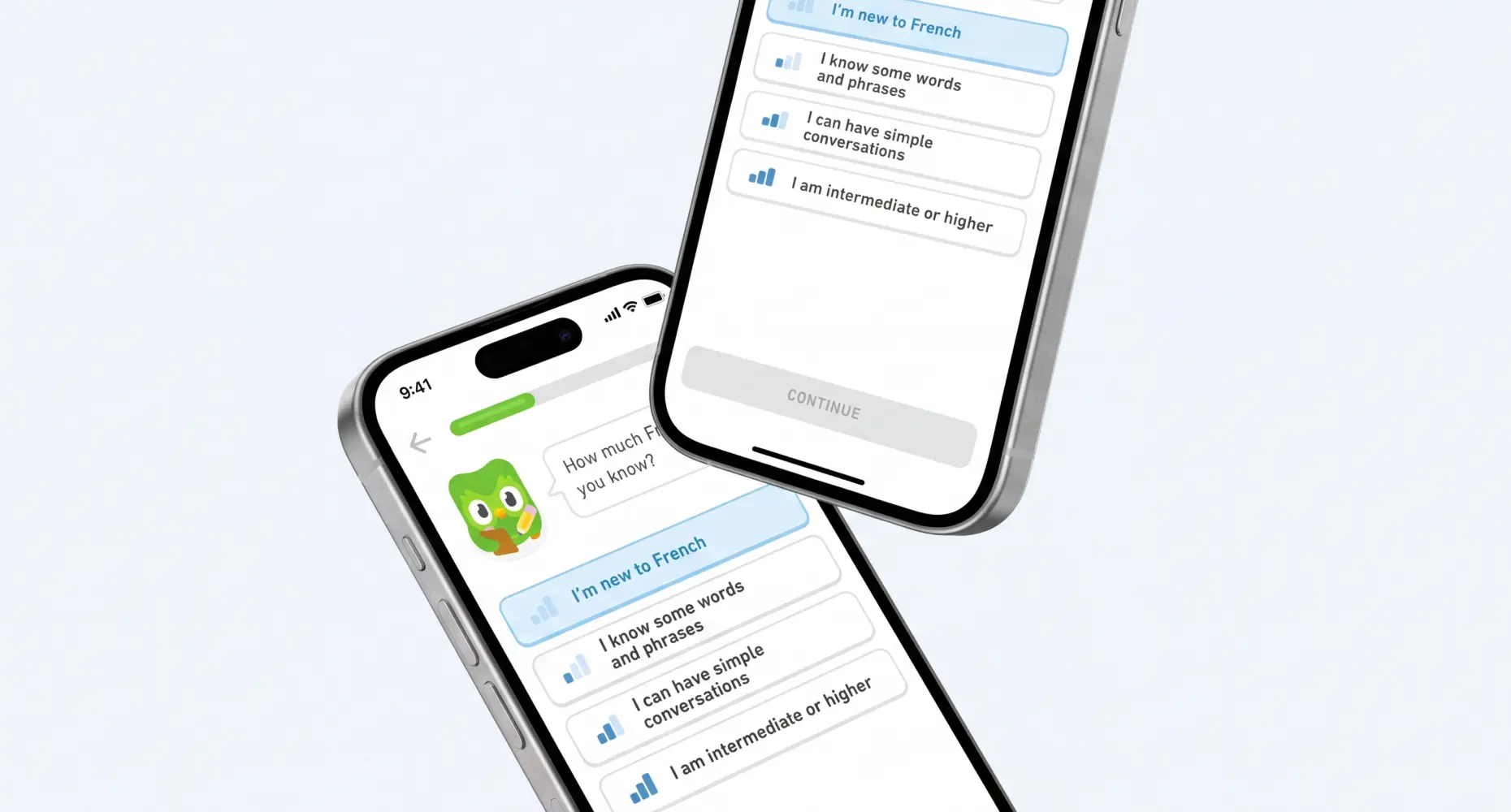
This usually gets described as personalization, which makes it sound like a feature. But notice what has actually happened. You've told the app something about yourself, and the course you get back is partly made of your answers. It's no longer a generic language course. It's yours.
Headspace does something similar. It sorts you into a personality type and matches a meditation program to it. Spotify is the more interesting case, because you never answered anything. You just listened, and it noticed. The daily mix it hands you feels like it was put together by someone who knows you, and in a sense it was: by you, over hundreds of songs.
That's why switching from Spotify feels heavier than it should. The new app would have all the same music. What it wouldn't have is you. You'd have to spend months teaching it who you are.
So I suspect personalization is best understood not as a feature but as a first deposit. It costs the builder real complexity to do well. What they get in return is a user who has already left something behind.
2. Win them before they have time to doubt you
But a deposit only goes one way. If the user puts something in and gets nothing back, they leave, and they leave fast. The window is shorter than most builders think.
The apps that hold people get something back to them almost immediately. Calorie IQ shows you the whole idea the moment you open it, so by the time you photograph your first meal, you already know what the photo is for. Granola doesn't bother with a demo at all. It sits in on your call, and when the call ends you have notes that are better than the ones you would have taken yourself. Then it lets you ask questions about the meeting, which is a second surprise right after the first.

The weird thing about these first experiences is that they aren't really about the app. They're about something the user now has that they didn't have five minutes ago. The meeting notes are yours. They're about your call, with your people.
We like to think we judge software on its merits, in the abstract. I don't think we do. We judge it by whether it has already given us something. It's very hard to decide an app is useless when it saved you twenty minutes before you had time to doubt it.
3. Why Duolingo wants you to feel guilty (and Strava doesn't)
One exchange isn't enough, though. The next question is whether it happens again tomorrow.
Oura Ring has an almost unfair advantage here. Everyone sleeps, so every morning there's a fresh sleep score waiting, and you didn't have to do anything to earn it. Each morning adds another day to a record that's about you and nobody else.
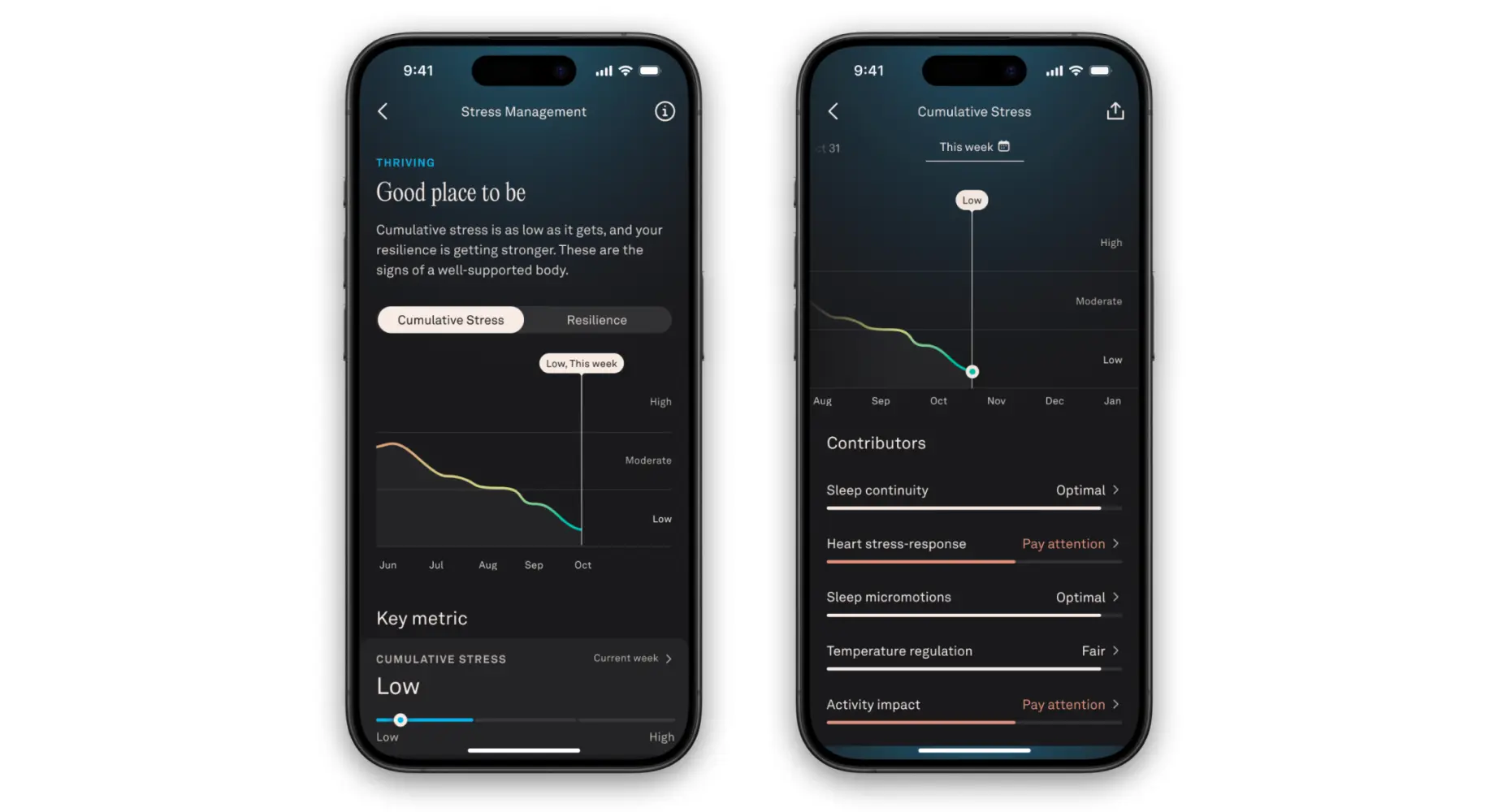
Strava builds the same rhythm with achievements, challenges and events. But the cleverest thing it does is quieter. It celebrates recovery runs and brisk walks. That sounds like a small decision, but it reflects something true about how people quit. Almost nobody stops exercising in a single moment of choice. They get sore, skip a day, then skip another, and the habit dissolves without ever being abandoned. By making the easy day count, Strava keeps the chain from breaking.
Duolingo is the most honest example, because it doesn't pretend. It popularized the streak and then weaponized it, with notifications that guilt-trip you and widgets that sit on your home screen watching. A 200-day streak is a thing you own, in the same way a collection is a thing you own. Losing it feels like losing something, and the app knows it.
Is this good for you? I'm genuinely not sure. Sometimes, probably. But it works, and it shows something slightly uncomfortable: the line between a habit someone wants and a habit they can't escape is thin, and a lot of the most retentive software in the world sits right on it.
4. The one thing a competitor can't copy
Some of what people put into an app isn't data at all. It's other people.
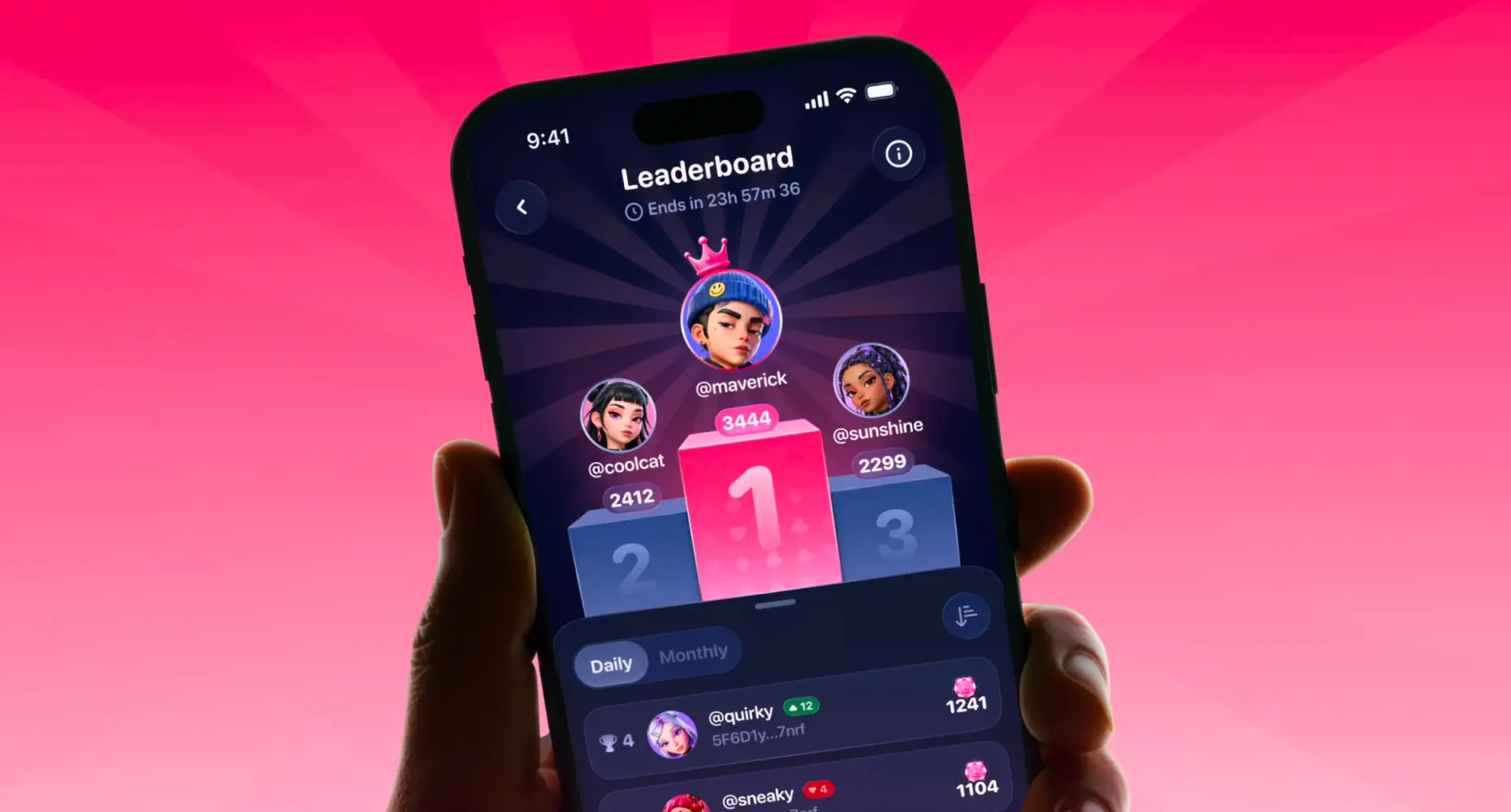
Brilliant does this with leaderboards and XP. You're ranked against people on the same path as you, and there are leagues to climb. Your rank only means something because they're there. Take them away and the number is just a number.
The Ahead app does it more softly, with a question of the day and advice from other users. Nobody is competing. People scroll, find someone going through the same thing they are, and feel a little less alone. What they leave behind there is the feeling of being understood, and that's not something you can export.
This is the part that's hardest to copy. A competitor can rebuild your features in a few months. It can't rebuild the people. And the bigger the crowd gets, the more true that becomes.
We tell ourselves we choose software for its features. I suspect that's mostly a story we tell afterwards. We stay for how it makes us feel, and very often what makes us feel something is other people.
5. Nobody is trapped in Google Drive
The last kind of deposit is the most obvious one: stuff.
Google Drive is the clearest example. Every document, photo and file you add makes leaving a little less plausible. Not impossible. Just more work than staying, and the gap grows every week.

Banks work the same way. Moving money is a hassle, and a slightly better bank rarely seems worth the afternoon it would take. Coinbase holds people partly through fear of moving crypto at the wrong moment. Slack holds whole companies. The channel history, the automations, the integrations all end up wired into how the organization actually runs, so leaving Slack means rewiring how a company talks to itself.
People usually call this lock-in, as if it were a trick. Sometimes it is. But in these cases the cost of leaving is real because the depth is real. Nobody is trapped in Google Drive. They're held there by their own things.
That's a different situation from a trap, and I think it's the one worth building toward. You don't want to make leaving hard. You want to be the place where people's stuff naturally ends up, so that leaving is hard on its own.
The question founders keep getting wrong
Put the five side by side: your answers, your first win, your days, your people, your stuff. They look like five separate tactics, and they're usually taught that way. But they're one thing seen from five angles. Each is a way for a person to leave part of themselves inside a product.
That also explains why you don't need all five. Granola doesn't need a leaderboard. Oura doesn't need your files. One deep deposit probably holds people better than five shallow ones, because what matters isn't how many hooks you have but how much of the person is on the other end of them.
Which suggests founders are asking a slightly wrong question. They ask how to keep users. But you don't really keep users. Users keep things, and the things happen to live in your app.
The apps you deleted weren't bad. There was just nothing of yours in them worthy enough to lose.